It is easy to view this as a drug cost issue. In practice, it reflects how chronic conditions are being managed across the population.
GLP-1s are being used across diabetes and weight management, two of the most significant drivers of long-term cost. Demand is growing among employees, and expectations are shifting quickly. Without a clear strategy, utilization can scale rapidly, often without consistent clinical oversight, defined duration of therapy, or alignment to broader health goals.
Turning Rising GLP-1 Costs Into a Long-Term Care Strategy
In many employer benefit structures, GLP-1 coverage is layered onto a fragmented care model:
- Prescribing can occur without a full longitudinal view of the employee’s health
- Follow-up and adherence vary widely
- Lifestyle, behavioral health, and chronic condition management are handled separately
- There is limited clarity on duration, effectiveness, or when to adjust or discontinue treatment
This creates variability in outcomes and makes it difficult to determine whether increased spend is translating into meaningful health improvement or long-term cost reduction.
What Effective GLP-1 Management Requires: Clinical Ownership
Advanced Primary Care (APC) offers a way to manage these therapies within a continuous care model rather than as a standalone benefit. This changes how GLP-1s are evaluated, prescribed, and monitored over time.
Key differences include:
- Appropriate GLP-1 candidate evaluation
Clinicians assess candidacy within the full clinical context, including comorbidities, prior interventions, and readiness for sustained behavior change. - Integrated care plans for weight and chronic condition management
Medication is combined with lifestyle counseling, behavioral health, and chronic condition management to support durable outcomes, not just short-term weight loss. - Ongoing monitoring of GLP-1 treatment
Care is managed over time, with regular follow-up to assess effectiveness, manage side effects, monitor labs and chronic conditions like hypertension, hyperlipidemia, and blood sugar, and adjust treatment as needed. - Clinical Accountability for GLP-1 Outcomes
Care teams track progress using clinical and engagement metrics, helping employers understand the impact of spend.
This approach helps address a core concern for employers: ensuring that increased pharmacy spend is tied to measurable improvements in health and a reduction in downstream costs.
From Cost Pressure to Cost Strategy
GLP-1s are likely to remain a significant component of medical and pharmacy spend. The opportunity for employers is to move from reactive cost management to a more structured approach that aligns utilization with outcomes.
Without integration, these therapies can contribute to rising trend without consistent results. With the right care model, they can support better metabolic health, reduce complications, and influence total cost of care over time.
How Galileo Supports GLP-1 Management Through Advanced Primary Care
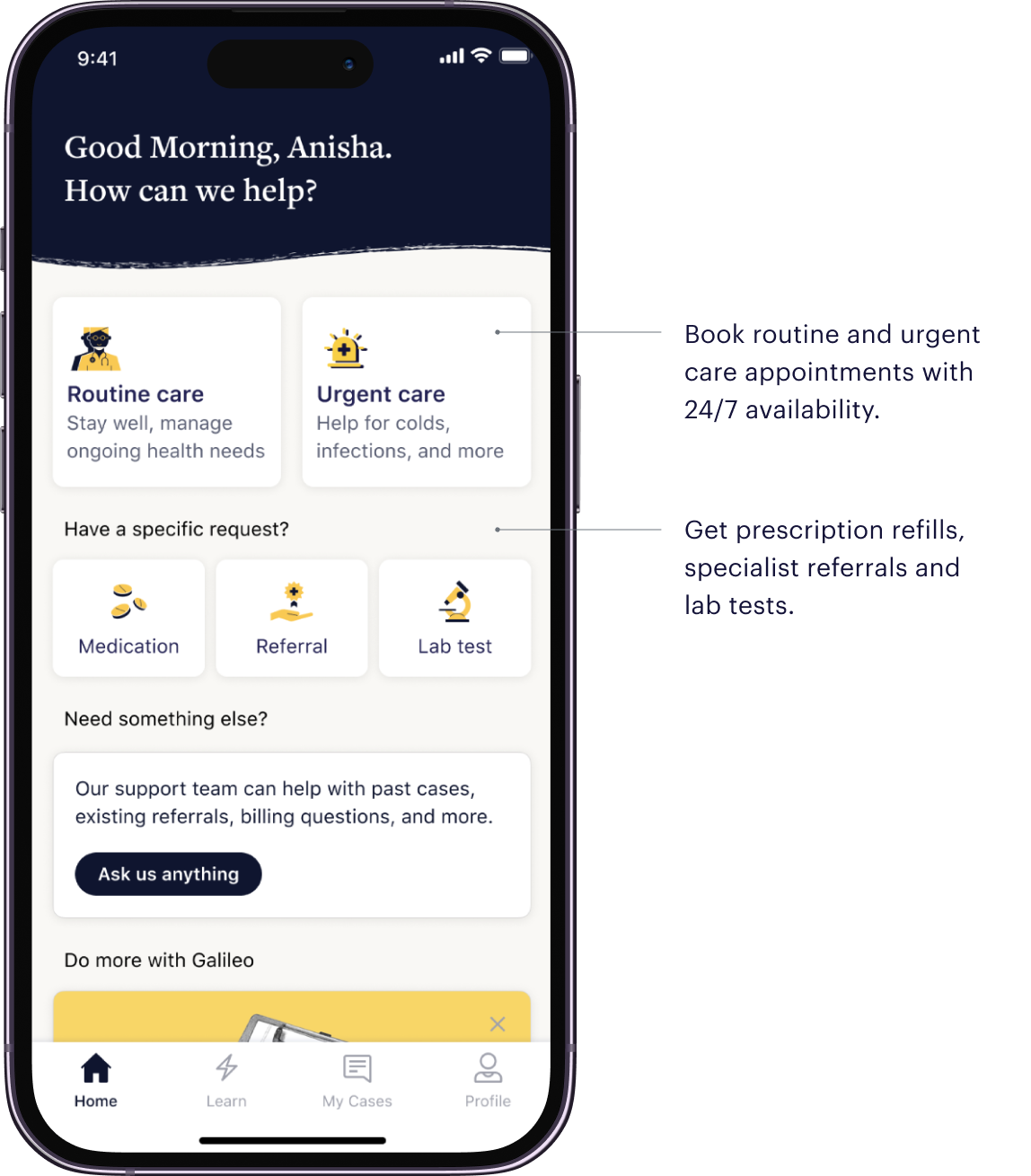
Galileo’s advanced primary care model is designed to support employers in managing chronic conditions, including those treated with GLP-1s, within a continuous, relationship-based framework. Clinicians evaluate appropriateness, integrate medication into a broader care plan, and provide ongoing monitoring and support. Behavioral health and lifestyle factors are addressed alongside pharmacologic treatment, with coordination across care when needed.
For employers, this creates a more controlled and accountable approach to a rapidly growing cost category, helping ensure that utilization is aligned with outcomes rather than volume alone.
%20(1)%20(1).webp)

.webp)










%20(1).webp)
%20(1).webp)











.webp)