There is growing recognition that traditional cost containment approaches are not changing the trajectory. Adjusting cost share, narrowing networks, or layering in additional vendors may create short-term impact, but they do little to address the underlying drivers of demand. As a result, employers remain in a cycle of reacting to rising costs rather than preventing them.
The most reliable way to influence long-term cost is to reduce the need for high-cost care. That requires a more effective approach to prevention.
Why Preventive Care Often Fails to Reduce Healthcare Costs
Preventive care is frequently treated as a set of discrete services such as annual physicals, screenings, or wellness programs. While these are important, they are episodic by design and limited in their ability to change long-term outcomes on their own.
Most high-cost conditions do not begin with a single event. They develop over time through missed signals, unmanaged risk factors, and inconsistent engagement. Early indicators are often present well before diagnosis, but without continuity and follow-through, they go unaddressed. Screenings may identify risk, but without ongoing management, that risk still progresses.
This gap is reflected in how the system is funded. Only about 14% of healthcare spending is allocated to primary care across developed health systems (OECD, Health at a Glance). When prevention is under-resourced, higher-cost downstream care becomes more likely.
Bending the Curve: How Continuous Preventive Care Reduces Healthcare Cost Trend
Advanced Primary Care (APC) enables prevention to function as an ongoing process rather than a point-in-time activity. It creates a model where clinicians are responsible for managing health over time, with the context and continuity needed to intervene earlier.
This approach shifts prevention in several important ways:
- Continuous Risk Identification Through Longitudinal Care
Clinicians monitor health over time, allowing them to detect patterns and emerging risks before they develop into diagnosable or high-cost conditions. - Proactive Patient Engagement Between Visits
Care teams reach out between interactions to close gaps, address early symptoms, and ensure follow-through on care plans. - Integration of Physical and Behavioral Healthcare
Many preventable conditions are influenced by behavioral and lifestyle factors. Managing these alongside physical health improves effectiveness. - Long-Term Accountability for Preventive Health Outcomes
Prevention is not complete when a risk is identified. APC models create responsibility for ensuring that risks are actively managed and mitigated.
This model directly impacts cost drivers. Earlier intervention reduces severity, consistent management limits complications, and stronger engagement reduces avoidable utilization such as emergency department visits and unnecessary specialty care. The opportunity is significant. Research suggests that shifting toward proactive, preventive care could reduce U.S. healthcare spending by as much as $2.2 trillion annually over time (Deloitte, The Future of Health: Proactive Care).
Why Preventive Care Improves Long-Term Cost Efficiency
It is important to recognize that not all preventive care reduces costs in the short term. Some interventions increase utilization upfront by identifying conditions earlier or expanding access to care.
However, prevention is often highly cost-effective over time. Earlier diagnosis and consistent management can reduce the likelihood of high-cost events, improve long-term outcomes, and stabilize overall cost growth. For employers, this distinction matters. The goal is not just to reduce spend in the current year, but to change the trajectory of cost over time.
Moving From Healthcare Cost Control to Cost Prevention
Employers are often forced into decisions that manage cost after it has already materialized. Prevention offers a different path, one focused on avoiding those costs altogether by addressing risk earlier and more consistently.
This requires a shift in how care is structured and how success is measured. It moves the focus from short-term savings to long-term value, where improved health outcomes and more stable cost trends go hand in hand.
How Galileo Supports Preventive Healthcare Through Advanced Primary Care
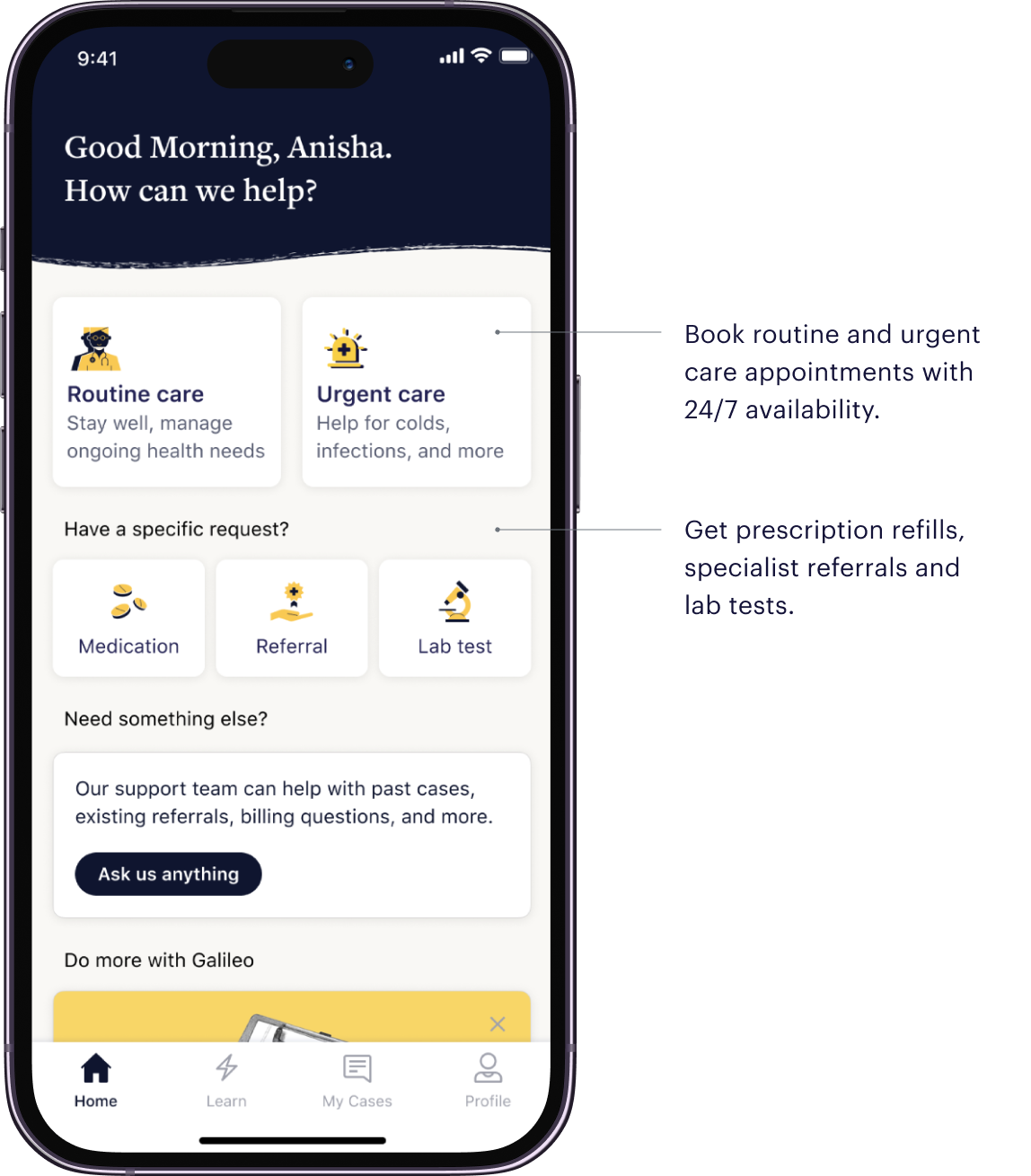
Galileo’s advanced primary care model is built around continuous, relationship-based care. Clinicians manage employees over time, using data and ongoing engagement to identify risk early and intervene before conditions escalate. Preventive care is embedded into everyday interactions, supported by proactive outreach, integrated behavioral health, and coordinated care when additional services are needed.
For employers, this creates a more effective approach to bending the cost curve, one that addresses the root drivers of cost and supports better outcomes over time.
Citations:
Employer Medical Cost Trend (~8–9%)
- Source: PwC Health Research Institute
- Report: Behind the Numbers 2025: Medical Cost Trend
- Link: https://www.pwc.com/us/en/industries/health-industries/library/behind-the-numbers.html
Proactive Care Savings Opportunity ($2.2 Trillion)
- Source: Deloitte
- Report: The Future of Health: Proactive Care Could Save Billions
- Link: https://www2.deloitte.com/us/en/insights/industry/health-care/proactive-care-medicare-savings.html
%20(1)%20(1).webp)

.webp)










%20(1).webp)
%20(1).webp)











.webp)