- Employer-sponsored health plans remain the main source of health coverage for many working Americans.
- For employers, plan design affects cost, access to care, and the employee experience.
- The strongest plans do more than offer coverage. They make care easier to access and easier to use.
- Virtual care can strengthen employer-sponsored health plans by improving access and reducing friction.
- Employers should evaluate health plans based on usability, care coordination, and long-term value, not just premiums.
An employer-sponsored health plan is one of the main ways organizations provide health coverage to employees and their families. For employers, these plans shape more than benefits spend.
They affect access to care, employee experience, and how healthcare costs are managed over time. Employer coverage remains the largest source of health insurance in the U.S., according to a KFF survey, which is why plan design still matters so much for workforce strategy.
This guide explains what an employer-sponsored health plan is, how it works, and what to look for when evaluating whether your current plan is really working for your workforce.
What Is an Employer-Sponsored Health Plan?
An employer-sponsored health plan is group health insurance offered by a company to employees and, in many cases, their dependents. Employers usually pay part of the premium, while employees contribute through payroll deductions.
Most plans cover preventive care, routine medical needs, mental health services, and prescription drugs, but the structure and employee experience vary based on the plan type and care model.
If you are reviewing your plan, the real question is not just what it covers. It is also how easy it is for your employees to use. A plan may look comprehensive on paper, but if your employees struggle to get appointments, face long waits, or end up moving between disconnected services, the value of that coverage drops fast.
Types of Employer-Sponsored Health Plans
Most employer-sponsored health plans fall into a few common categories. The main difference between them is how they handle provider access, referrals, and out-of-pocket costs.
Health Maintenance Organization (HMO)
HMOs usually require employees to choose a primary care physician and get referrals for specialist care. These plans often have lower premiums and lower out-of-pocket costs, but they generally limit coverage to in-network providers except in emergencies. For a simple breakdown, see HMO, PPO, and other plan types.
Preferred Provider Organization (PPO)
PPOs offer more flexibility. Employees can usually see specialists without referrals and can often go out of network, though at a higher cost. That flexibility can improve choice, but it often comes with higher premiums and broader cost variation.
High-Deductible Health Plan (HDHP)
HDHPs usually have lower monthly premiums and higher deductibles. They are often paired with health savings accounts, which allow employees to use pre-tax dollars for qualified medical expenses. These plans can work well for some workforces, but they can also create barriers if employees delay care because of upfront costs.
Choosing between these models is only part of the decision. It is just as important to understand how the plan supports timely access to care, mental health services, and ongoing primary care.
How Employer-Sponsored Health Plans Work
Employer-sponsored health plans usually operate through a shared-cost model. The employer selects the plan offering, contributes to premiums, and defines eligibility and enrollment rules. Employees then enroll during open enrollment or when they first become eligible, often after a waiting period.
Once enrolled, employees access care based on the plan’s network, cost-sharing rules, and covered services. That may include copays, deductibles, coinsurance, and prescription coverage. On paper, that structure is straightforward. In practice, the employee experience depends on how easy it is to find care, get timely appointments, and understand what to do when new health needs come up.
That is where plan design and care access start to overlap. Employers are increasingly looking at ways to pair coverage with care models that make the plan easier to use.
What Employers Should Look for in a Health Plan
Premium cost still matters, but it should not be the only factor in plan evaluation. Employers should also look at how the plan supports access, continuity, and employee use over time.
Practical Access to Care
Your employees need a realistic path to urgent care, primary care, preventive care, mental health support, and chronic condition management. If access is too slow or too hard to navigate, employees are more likely to delay care or default to higher-cost settings.
A Better Care Experience
The more fragmented the experience, the harder it is for employees to stay engaged in care. Employers should look for models that reduce friction and make it easier for employees to know where to go and how to get help.
Mental Health Support
Behavioral health should be treated as a core part of the benefits strategy, not a side offering. Employers should assess whether mental health care is accessible, practical, and connected to the broader care experience.
Long-Term Value
A lower-cost plan is not always the better plan if it leads to lower preventive care use, more avoidable ER visits, or weaker chronic condition management. Employers should think in terms of total value, not just premium savings. KFF’s Employer Health Benefits Survey is a strong benchmark for broader employer plan trends.
Why Access Matters as Much as Coverage
Traditional plan comparisons often focus on premiums, deductibles, and networks. Those factors matter, but they do not tell the full story.
Employees experience a health plan through access. They notice how long it takes to get an appointment, whether they can get care after hours, whether mental health support is easy to reach, and whether care feels connected or fragmented. When access is difficult, employees are more likely to delay treatment, rely on the wrong care setting, or disengage from care altogether.
For employers, that affects both satisfaction and cost. Better access can support earlier treatment, better follow-up, and more appropriate use of care settings over time.
How Virtual Care Fits Into Employer-Sponsored Health Plans
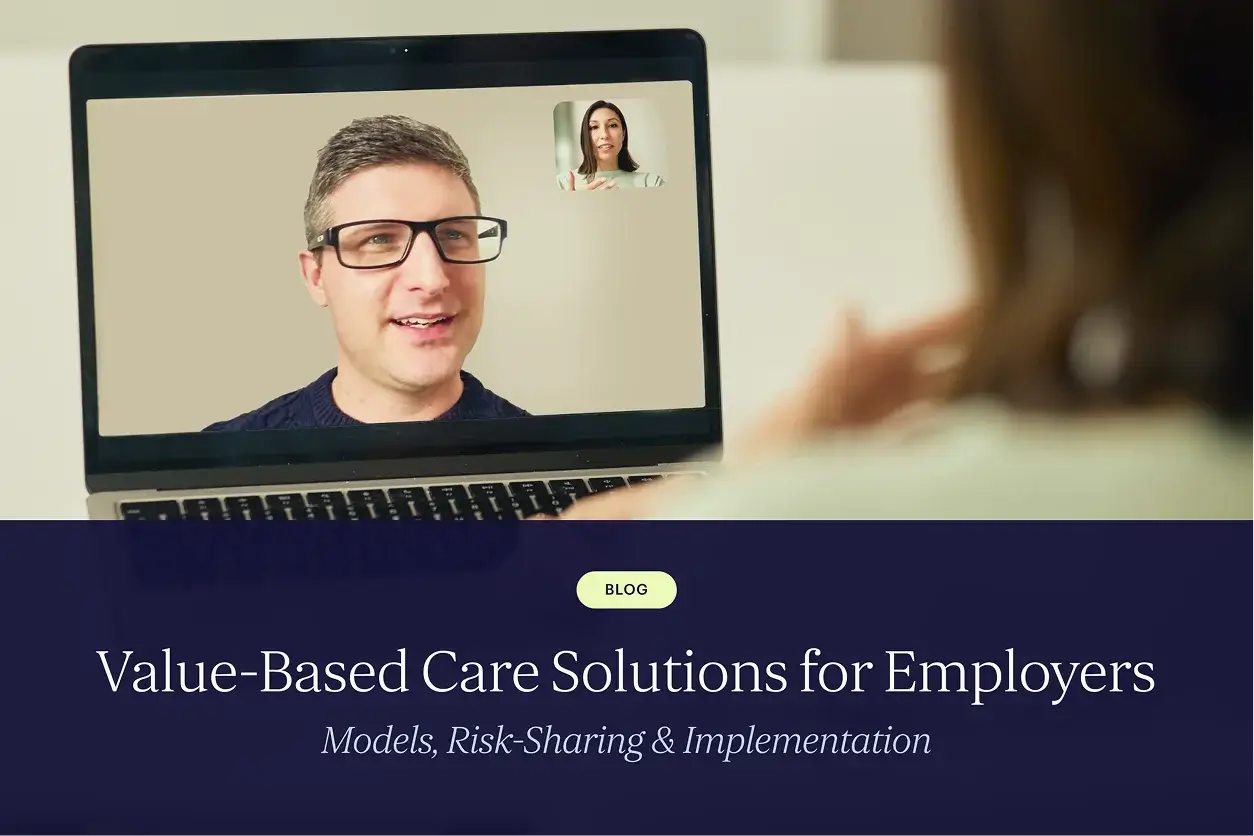
Virtual care has become an important part of many employer-sponsored health plans because it gives employees another way to access care quickly and conveniently. When it is built into the broader care experience, virtual care can support urgent needs, primary care, chronic condition management, and mental health without forcing employees to wait for office appointments or navigate separate systems.
For employers, the value is not just convenience. Virtual care can improve access, support earlier intervention, and reduce friction in the benefits experience. It can also make a health plan feel more usable, which often determines whether employees actually engage with the care available to them.
If you want a related read for context, Galileo’s article on alternative health insurance plans looks at how employers are pairing insurance coverage with more accessible care models.
Why Employers Choose Galileo
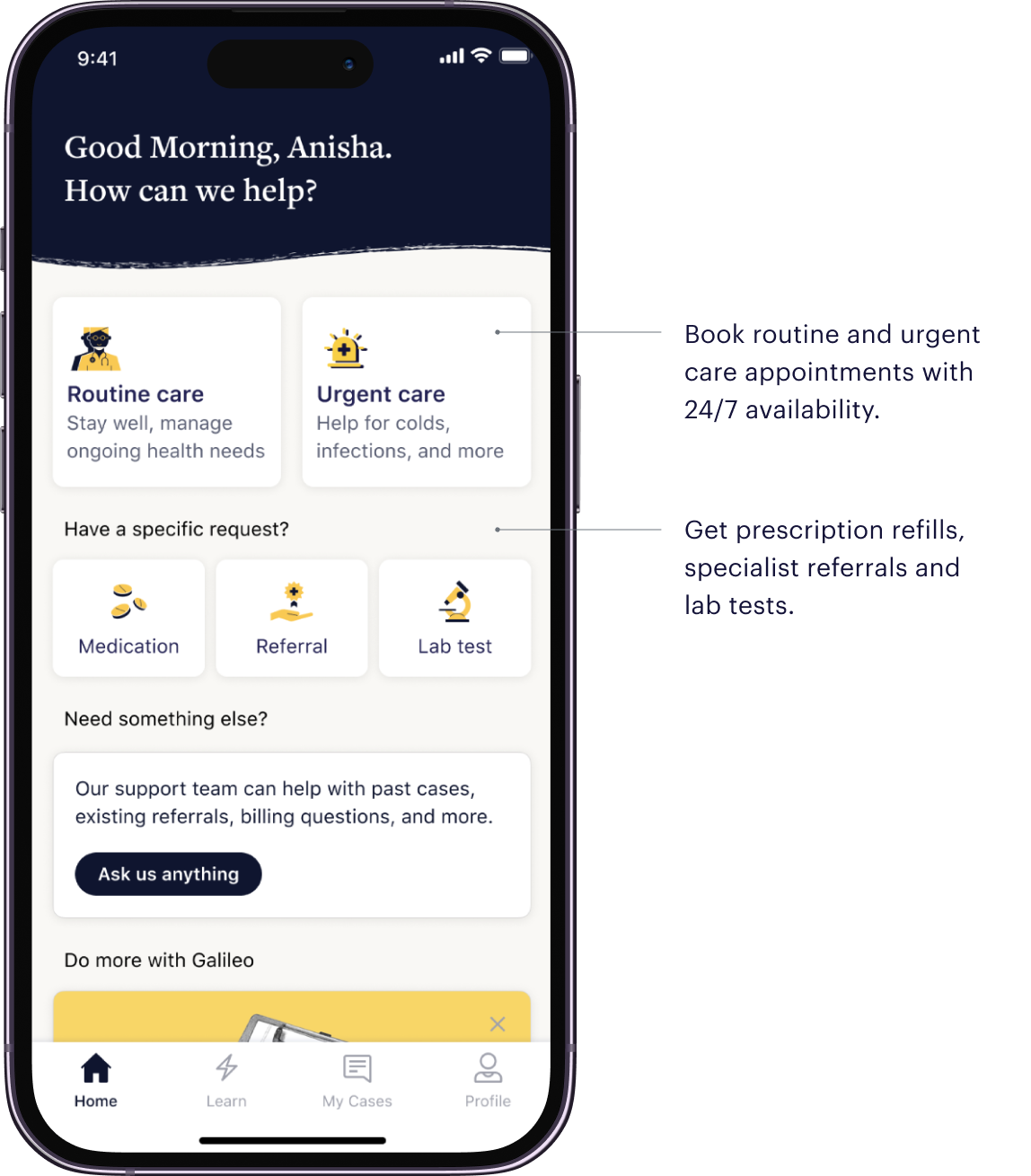
Galileo helps employers make health plans easier to use and more consistent across the workforce. Employees get access to care by phone, video, and chat for urgent issues, ongoing primary care, chronic condition support, and mental health concerns within one connected experience.
Galileo also offers in-person care through clinics and supports health plans with custom virtual and in-person solutions.
For employers, that can mean better access, a smoother care experience, and less reliance on fragmented point solutions. Instead of sending employees through separate systems for different needs, Galileo helps bring more of their care into one place.
What This Means for Employers
An employer-sponsored health plan is still one of the most important benefits an organization can offer, but coverage alone is no longer enough. Employers need plans that employees can use easily and care models that support timely access, continuity, and a better overall experience.
That is why many employers are looking beyond plan design alone and focusing more on how care is delivered. If your organization is rethinking how health benefits should work, Galileo can help you build a care model that improves access and fits the realities of today’s workforce.
Explore Galileo’s virtual care services for employers to learn more.

%20(1)%20(1).webp)
.webp)
.webp)
.webp)
.webp)


.webp)









%20(1).webp)
%20(1).webp)











.webp)