
- A doctor visit without insurance typically costs $100–$300 for primary care, with new patient visits often higher.
- Urgent care visits usually range from $150–$350, depending on tests and procedures.
- Telehealth visits are often the most affordable option for uninsured patients, commonly costing $40–$80 for basic care.
- Community health centers and sliding-scale clinics can reduce costs significantly based on income.
- Transparent pricing models and membership-based care make healthcare costs more predictable for people without insurance.
A doctor visit without insurance can feel stressful, especially when costs are unclear. On average, a basic primary care appointment typically costs between $100 and $300, depending on where you live, the type of provider, and whether you’re a new or returning patient. New patient visits often cost more because they include longer evaluations and medical history reviews, while follow-up visits are usually less expensive. Costs also vary by location and setting.
Urgent care clinics commonly charge $150 to $350 for self-pay visits, while emergency rooms can be significantly more expensive. For many uninsured patients, virtual care has become a more affordable alternative, with online doctor visits often costing 40–60% less than in-person care. Understanding these price ranges helps patients compare options, avoid unnecessary expenses, and choose care that fits both their medical needs and their budget.
%20(1).webp)
Average Cost of a Primary Care Visit Without Insurance
Primary care visits represent the foundation of healthcare, and knowing what you'll pay out of pocket makes planning easier. The average cost ranges from $150 to $300 for a standard appointment, though prices fluctuate based on your location and the complexity of your health concerns. Understanding these baseline costs helps uninsured patients budget for routine medical care and decide when to seek treatment.
New patient visit costs
First-time appointments typically run higher than follow-ups because doctors need extra time for comprehensive health histories and physical exams. New patient visits usually cost between $200 and $400, with the national average sitting around $265. These initial consultations often include baseline measurements, medical history reviews, and sometimes basic lab tests that add to the overall expense.
Follow-up appointment fees
Return visits cost less since your doctor already knows your medical background. Follow-up appointments generally range from $100 to $200, averaging about $160 nationally. These shorter visits focus on specific concerns or ongoing treatment monitoring. Many practices offer package deals for multiple follow-ups, which can reduce the per-visit cost by 20-30%.
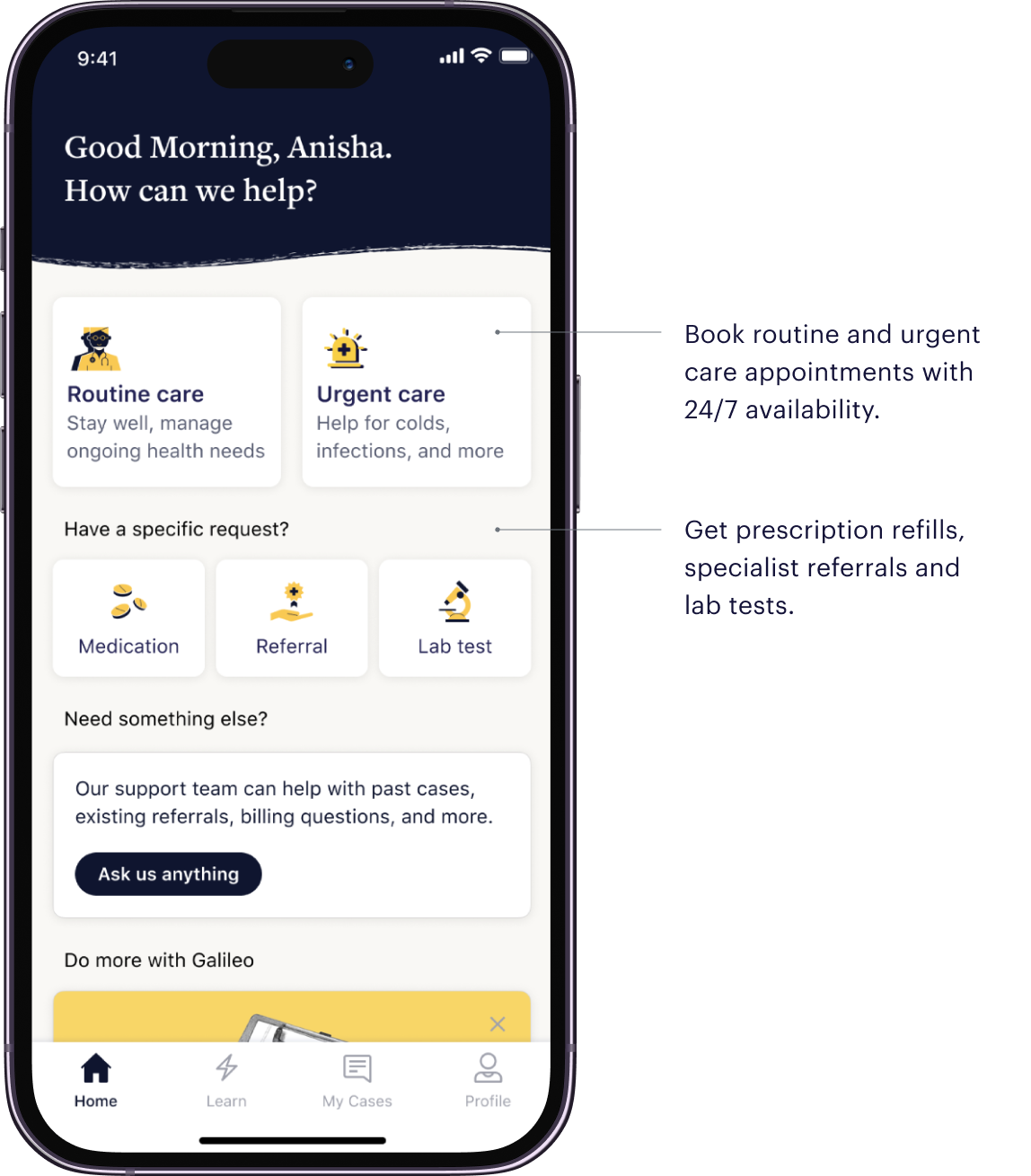
For patients looking to avoid per-visit fees altogether, Galileo offers individual memberships that include ongoing follow-ups at no additional cost. Instead of paying each time you need care, members can message clinicians and schedule follow-up visits through the app as part of their plan, making costs more predictable for people without insurance.
What Affects Doctor Visit Costs Without Insurance?
Several factors determine how much you'll pay when visiting a doctor without insurance coverage. Understanding these variables helps you budget effectively and find the most affordable care options in your area. The type of services needed and your geographic location play the biggest roles in determining final costs.
Type of medical services needed
Basic consultations for common illnesses like colds or minor infections cost the least. Once you add procedures, lab work, or specialized equipment, prices climb quickly. A simple blood pressure check might be included in your visit cost, but blood work can add $100 to $300. X-rays typically cost another $100 to $250. Procedures like stitches or minor surgeries can push your total bill well over $500.
Geographic location and facility type
Where you seek care makes a huge difference in pricing. Rural clinics often charge 20-40% less than urban medical centers. A doctor's office in Manhattan might charge $300 for a basic visit, while a similar appointment in rural Kansas could cost $120. Teaching hospitals and academic medical centers tend to charge premium rates, while community health centers offer more affordable options. Private practices fall somewhere in the middle, with many offering self-pay discounts to compete with larger facilities.
Cheapest Way to See a Doctor Without Insurance
Finding affordable medical care without insurance requires knowing where to look and what options exist beyond traditional doctors' offices. Smart patients can access quality healthcare at a fraction of typical costs by exploring alternative care models. Modern solutions like telehealth and direct primary care memberships have transformed how uninsured patients access medical services.
Telehealth and virtual care options
Virtual consultations have revolutionized access to healthcare for uninsured patients. Platforms like Galileo offer 24/7 virtual primary care through phone and video, with transparent membership pricing that eliminates surprise bills. Instead of wondering about per-visit fees, members see their costs upfront. This model works especially well for routine concerns like allergies, skin conditions, or medication refills that don't require physical exams.
Community health centers
Federally qualified health centers provide care regardless of insurance status or ability to pay. These facilities use sliding scale fees based on income, sometimes charging as little as $20 for a visit. They offer comprehensive services including preventive care, chronic disease management, and mental health support.
Direct primary care memberships
Direct primary care practices charge monthly membership fees ranging from $50 to $150, covering unlimited visits and basic services. This model eliminates insurance middlemen, allowing doctors to spend more time with patients while keeping costs predictable. Some memberships include discounted lab tests and medications, making them particularly valuable for people with ongoing health needs.
How Much Is a Telehealth Visit Without Insurance?
Telehealth has emerged as the most affordable option for many uninsured patients, with costs typically ranging from $40 to $150 per consultation. These virtual visits eliminate transportation expenses and time off work while providing access to qualified healthcare providers. The convenience and cost savings make telehealth an attractive first choice for non-emergency medical needs.
Online doctor consultation rates
Standard telehealth consultations for common conditions cost between $40 and $80. Mental health sessions run slightly higher at $80 to $150. Specialist consultations through telemedicine platforms range from $100 to $200. Galileo's membership model provides an alternative to per-visit pricing, offering 24/7 access to virtual primary care providers through their app. This approach makes budgeting simpler since members know exactly what they'll pay each month, regardless of how often they need care.
Benefits of virtual visits for uninsured patients
Virtual care eliminates many hidden costs associated with traditional healthcare. There's no facility fee, parking expense, or lost wages from taking time off work. Online doctors can prescribe medications directly to your pharmacy, often at lower cash prices than insurance copays. Many platforms offer transparent pricing shown before appointments begin, so patients never face surprise bills. The convenience factor alone makes telehealth invaluable for managing chronic conditions that require frequent check-ins.
Urgent Care Visit Cost Without Insurance
Urgent care fills the gap between primary care and emergency rooms, treating non-life-threatening conditions that need immediate attention. Understanding when to choose urgent care and what it costs helps uninsured patients avoid expensive emergency room bills. These facilities offer extended hours and walk-in availability, making them convenient for unexpected health issues.
When to choose urgent care
Urgent care works best for sudden illnesses or minor injuries that can't wait for a regular appointment. Think sprains, minor cuts needing stitches, UTIs, or severe cold symptoms. These facilities handle conditions that need same-day treatment but aren't true emergencies. Choosing urgent care over the emergency room can save hundreds or even thousands of dollars.
Self-pay rates at urgent care clinics
Most urgent care centers charge uninsured patients between $150 and $350 for basic services. Simple visits for strep throat or flu symptoms typically cost around $180. More complex issues requiring X-rays or procedures can reach $350 or more.
Many chains offer transparent pricing lists on their websites, letting patients estimate costs before arriving. Some facilities provide membership plans or cash discounts of 20-40% when you pay at the time of service. Compared to emergency room visits that average $1,500, urgent care represents significant savings for appropriate conditions.
How Out-of-Pocket Doctor Visits Work
Paying cash for medical care follows different rules from using insurance. Understanding the process helps patients navigate the system more effectively and potentially save money. Many providers offer special rates and payment options specifically designed for self-pay patients.
Payment plans and sliding scale fees
Many medical providers offer flexible payment options for uninsured patients. Payment plans let you spread costs over several months without interest. Sliding scale fees adjust prices based on income and family size. Some practices require financial documentation like pay stubs or tax returns to qualify for reduced rates. Nonprofit hospitals must offer charity care programs by law, potentially reducing or eliminating bills for qualifying patients.
Transparent pricing models like Galileo
Modern healthcare platforms are moving toward upfront, transparent pricing that eliminates billing surprises. Galileo's cash-pay membership model shows exact costs in their app before you start care, covering everything from urgent issues to chronic disease management. This predictable pricing structure means no hidden fees or unexpected charges. Members access care 24/7 through phone and video without worrying about accumulating per-visit costs. This transparency helps patients budget for healthcare just like any other monthly expense.
Making Healthcare Affordable Without Insurance
Understanding how much a doctor visit costs without insurance helps patients make confident, informed decisions. While traditional in-person visits can range from $100 to $400, alternatives like telehealth, community health centers, and membership-based care models offer more predictable and affordable options.
Virtual care has especially improved access for uninsured patients by reducing costs, eliminating facility fees, and providing faster access to clinicians. By asking about cash prices, exploring sliding-scale clinics, and choosing transparent pricing models like Galileo, patients can receive quality medical care without unexpected bills or financial strain.

%20(1)%20(1).webp)
.webp)
.webp)

.webp)
.webp)




.webp)















%20(1).webp)











.webp)