
Key Takeaways
- Most people are contagious with the flu 1 day before symptoms and 5–7 days after symptoms begin.
- You can spread flu viruses even without fever or mild symptoms like sore throat or runny or stuffy nose.
- Pregnant individuals and people with weakened immune systems may stay contagious longer.
- Seasonal flu spreads easily because the influenza virus is a highly contagious respiratory illness.
- Early antiviral medications can shorten the flu and help prevent severe complications.
- Galileo clinicians provide safe virtual flu care, antiviral treatment, and symptom monitoring.
Did you know that people with the flu can spread the virus to others before they even feel sick? Most people are contagious with the flu about one day before symptoms appear and remain contagious for five to seven days after symptoms begin. This guide explains how flu spreads, who stays contagious longer, and how virtual care supports safe recovery.
The flu is a contagious respiratory illness caused by the influenza virus. Many infected people spread the flu before they even know they are sick. Young children, older adults, and people with weakened immune systems may remain contagious longer than healthy adults.
Understanding the Flu Contagious Period
The contagious period is the time when an infected person can spread influenza to others. This varies depending on age, immune system strength, and how severe symptoms are. Understanding this window helps prevent spreading the flu to vulnerable people at higher risk.
When Flu Symptoms Begin and When Flu Spreads Start
Flu symptoms usually begin 1–4 days after exposure, but flu spread begins earlier. Most people can spread flu viruses about 24 hours before flu symptoms start.
Common flu symptoms include:
- Fever
- Body aches
- Sore throat
- Runny nose or stuffy nose
- Flu cough
- Fatigue
Flu viruses can survive on surfaces for a few hours, which makes it easy for others to get the flu by touching shared items.
How Long Are You Contagious With the Flu Before Symptoms?
Most people are contagious with the flu about one day before symptoms develop. This early spread happens because the influenza virus multiplies in the respiratory tract before fever or other symptoms appear. About one-quarter of flu spread happens during this period.
{{flu-timeline}}
Galileo clinicians can help confirm your contagious window and guide safe return-to-work timelines.
Peak Contagious Days
The first three to four days after symptoms begin are your peak contagious days. During this time, symptoms like high fever, worse cough, runny or stuffy nose, and body aches occur because the viral load is highest.
When Most Healthy Adults Stop Spreading the Flu
Most healthy adults stop spreading the flu five to seven days after symptoms start. According to the CDC, you should stay home until you are fever-free for at least 24 hours without fever-reducing medications.
Even if you have lingering symptoms like a light cough or stuffy nose, your ability to spread the virus drops significantly as the immune system clears the infection.
Is the Flu Contagious Without a Fever?
Yes. Not everyone with the flu develops a fever. Many infected people spread flu viruses even when their symptoms resemble a common cold.
Transmission can happen through:
- Breathing
- Talking
- Coughing
- Touching shared items like eating utensils
Because people without a fever often continue daily activities, they can easily spread the flu to others.
{{blog-image}}
Why Some Infected People Never Develop Fever
Some people never develop a fever due to:
- Differences in immune system response
- Past flu vaccine protection
- Mild illness
- Younger age and strong immunity
Even without a high fever, they can remain contagious and spread the influenza virus for several days.
Galileo clinicians can evaluate symptoms through the app to help determine how long you may remain contagious.
Extended Contagious Periods in Specific Groups
Young Children
Young children can stay contagious for ten days or more. They often experience a runny nose, high fever, ear infections, and secondary infections. Children in daycare or school settings can easily spread the flu to others.
People With Weakened Immune Systems
People with weakened immune systems due to heart disease, lung disease, cancer treatment, chronic illnesses, or certain medical conditions may remain contagious for weeks. They also have a higher risk of severe illness, difficulty breathing, and severe flu complications.
Pregnant Individuals
Pregnancy temporarily weakens parts of the immune system. Pregnant individuals may experience more severe symptoms and stay contagious longer. Early antiviral medications are recommended to reduce illness severity and flu complications.
Flu Contagiousness Checklist
Use this checklist to avoid spreading the flu:
- Your symptoms began within the last few days
- You still have a fever
- You have severe symptoms or difficulty breathing
- You have a worse cough or runny nose
- You are pregnant or have a weakened immune system
- You have chronic heart disease or lung disease
- You live with young children or older adults
How to Avoid Spreading the Flu
To avoid spreading the flu, follow these steps:
- Stay home when sick: This prevents spreading the virus to others.
- Wear a mask: Masks reduce flu spread in crowded indoor settings.
- Wash hands often: Use soap and water or alcohol based hand sanitizer.
- Get your annual flu vaccine: The flu shot greatly reduces the risk of infection and severe symptoms.
- Clean high-touch surfaces: Flu viruses can survive for a few hours on surfaces.
- Start antiviral medications early: These work best when started within 48 hours.
When Virtual Care Is Best
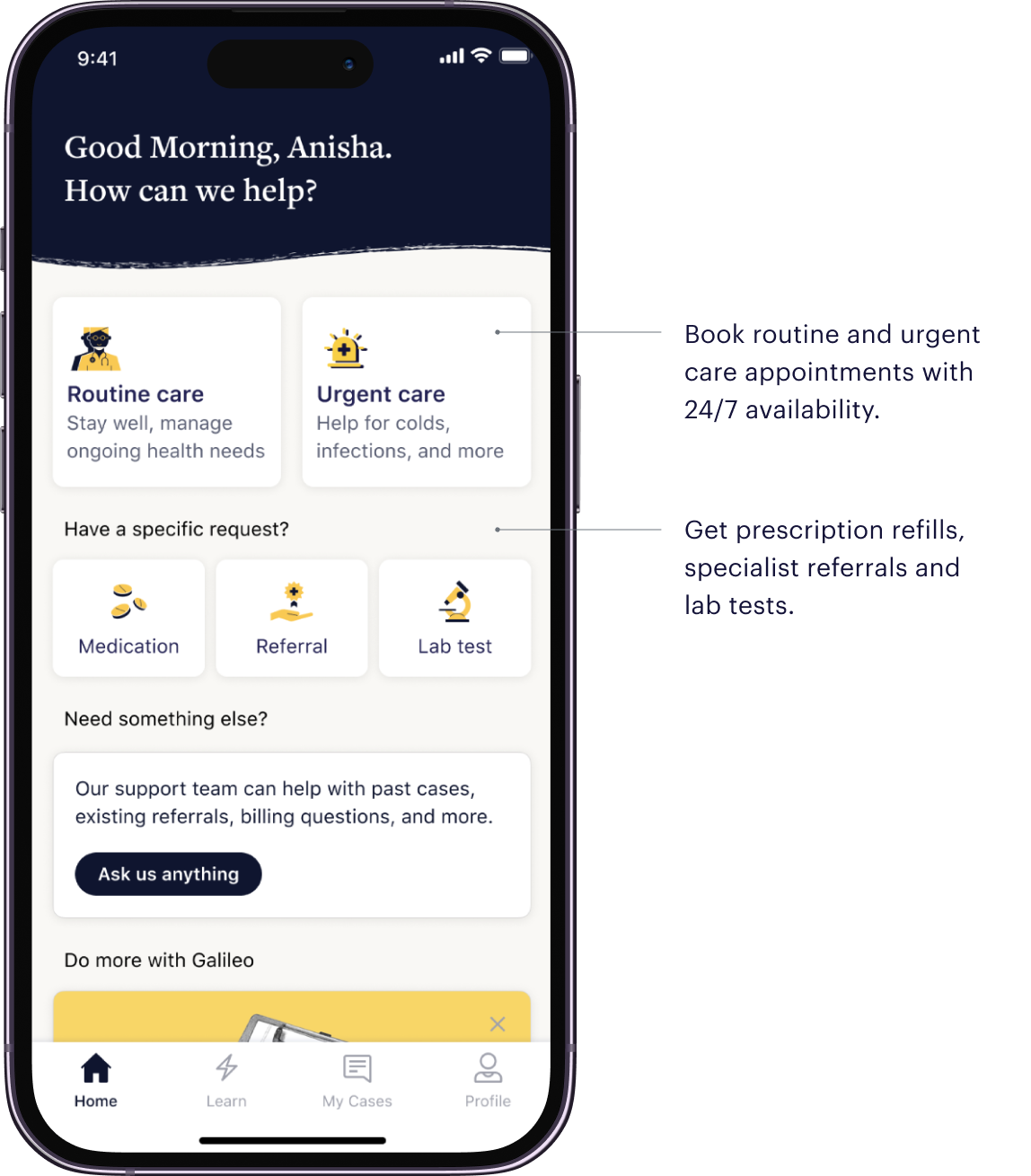
Virtual care is a strong option when you want quick guidance without risking exposure to others in a clinic. Through the Galileo app, clinicians can evaluate your symptoms, order flu testing when appropriate, prescribe antiviral medications, and monitor how you’re recovering. This approach gives you fast, reliable support from home and helps you get timely care while avoiding unnecessary in-person visits.
Staying Safe During the Flu Contagious Period
Most people are contagious with the flu from one day before symptoms develop through five to seven days after symptoms start. Young children, older adults, pregnant individuals, and people with weakened immune systems may stay contagious longer.
Antiviral medications, the annual flu vaccine, and preventive steps all help reduce severe illness and flu spread. Galileo clinicians are available anytime for safe virtual medical care, personalised treatment, and symptom guidance.
If you’re unsure how long you should isolate, need antiviral medication, or want fast reassurance from a clinician, start a visit in the Galileo app today for same-day care.

%20(1)%20(1).webp)
.webp)
.webp)


.webp)
.webp)






.webp)















%20(1).webp)
%20(1).webp)












.webp)