
- A sore throat alone doesn’t always mean you need to stay home, but fever, severe pain, or significant fatigue usually do.
- Most sore throats are caused by viruses and resolve with rest, while strep throat requires antibiotics and medical evaluation.
- If you have a cough, fever, or symptoms consistent with flu or COVID-19, you’re more likely to be contagious and should avoid going to work.
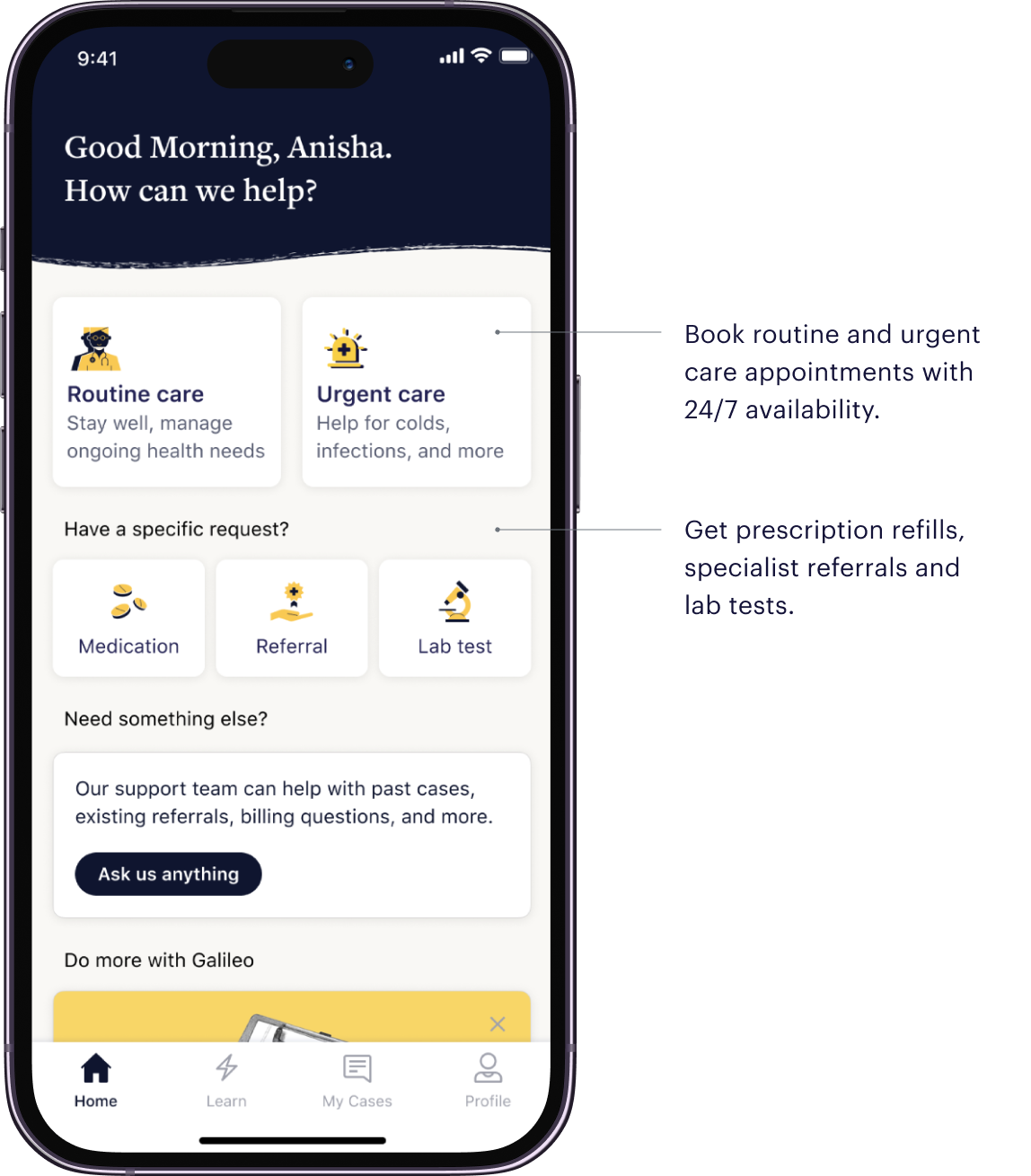
- When you’re unsure, a same-day phone or video visit through a virtual healthcare platform like Galileo can help you make a clear, medically informed decision.
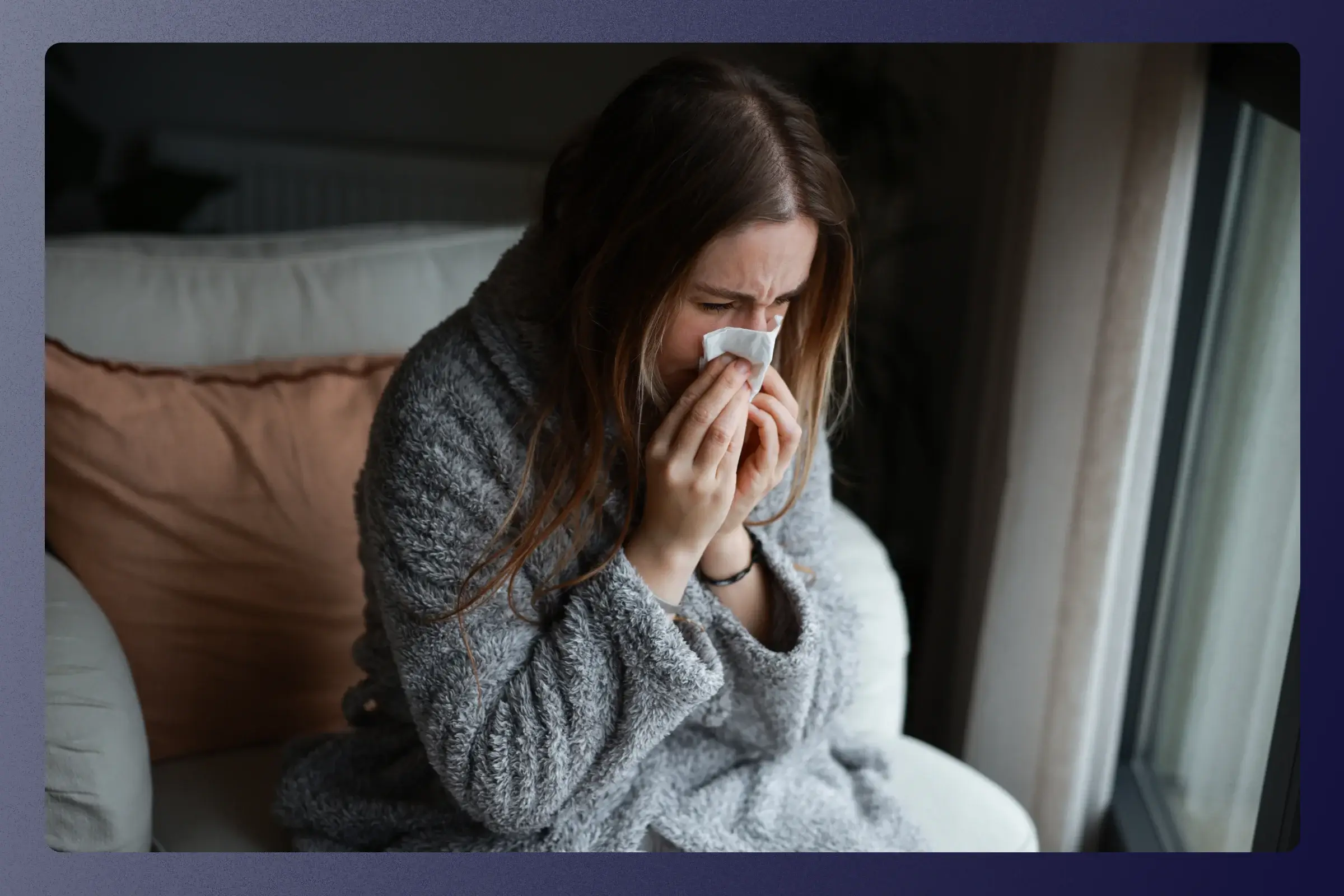
That scratchy, uncomfortable feeling in the throat never shows up at a convenient time. When you wake up with it, the immediate question is whether to push through and head in or stay home. The honest answer is that it depends on what's causing it, how severe your symptoms are, whether you have a fever, and whether you're putting the people around you at risk.
What makes this decision harder is that a sore throat can mean very different things. Some cases resolve on their own with rest and fluids. Others signal a bacterial infection that needs antibiotics. And some symptoms suggest something contagious enough that going into the office is genuinely the wrong call, regardless of how manageable you feel.
The fastest way to know what you're dealing with is to talk to a clinician. Virtual healthcare platforms like Galileo connect you with one by phone or video—same day, no waiting room—so you can get an accurate read on your symptoms and a clear plan for what to do next.

When to Stay Home From Work With a Sore Throat
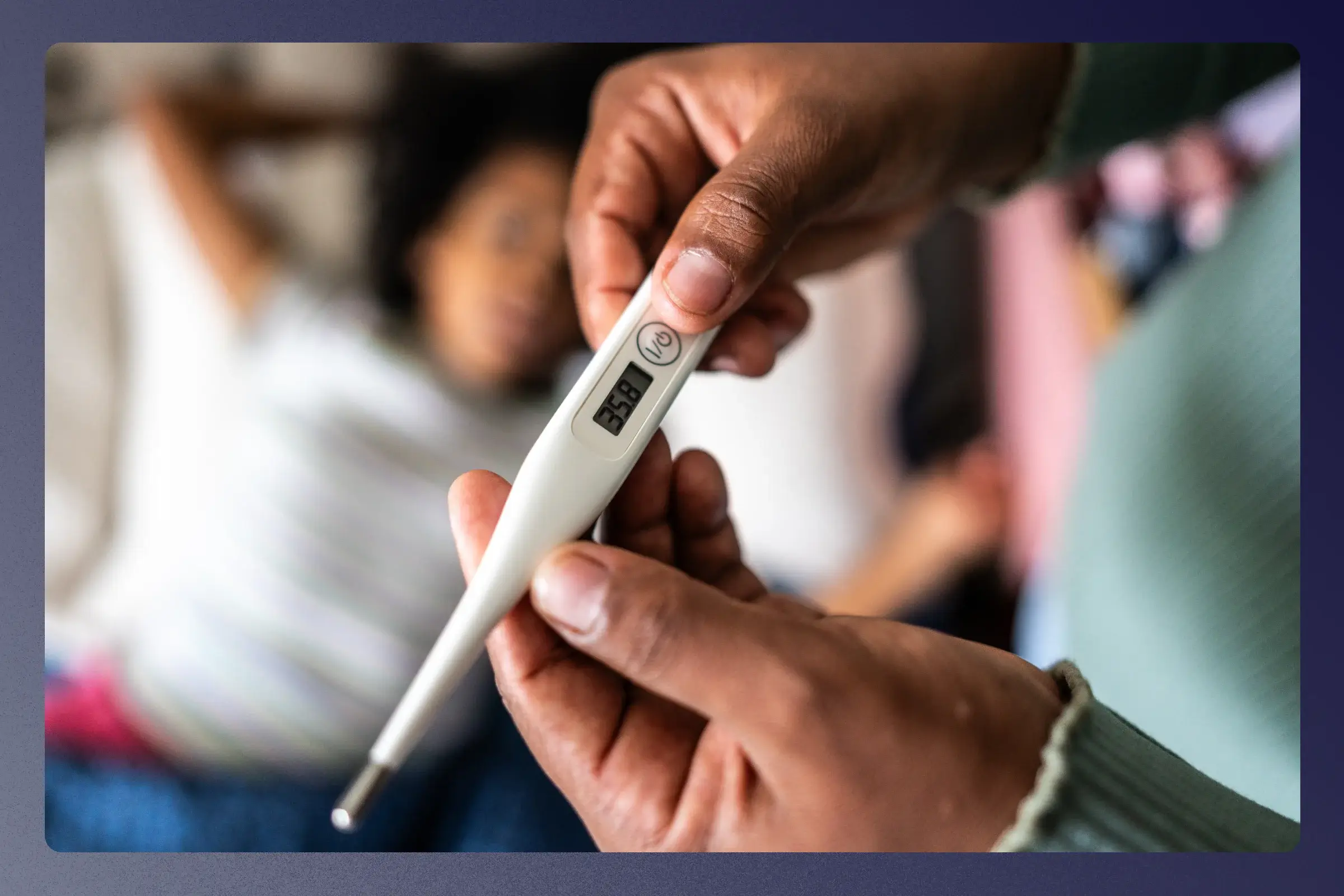
The general rule is clear: if you have a fever above 100.4°F, severe throat pain, or difficulty swallowing, stay home. These symptoms point to an active infection your body is working hard to fight—and one that can spread to the people around you.
Rest can be strategic. It can help your body recover and make it easier to manage fatigue, fever, and general discomfort while the virus runs its course. Respiratory infections travel fast in shared office environments, especially through break rooms, conference rooms, and open floor plans where air circulates freely.
The CDC recommends staying home until, for at least 24 hours, both are true: your symptoms are improving overall, and you've been fever-free without using fever-reducing medication. That guideline exists for good reason—fever is one of the clearest signs your body is still actively fighting something contagious, even when you're starting to feel a little better.
Signs That You're Too Sick to Work
Some symptoms make the call straightforward. Stay home if you have:
- Fever above 100.4°F
- Severe pain when swallowing
- Swollen lymph nodes or white patches on the tonsils
- A sandpaper-like rash on the skin, which can accompany strep
- Fatigue that affects your ability to think or function
When you're unsure whether your symptoms warrant staying home, a Galileo clinician can evaluate you through a phone or video visit and give you a direct answer based on your specific symptoms and health history.
Common Causes of a Sore Throat
Understanding what's behind your sore throat determines whether you're contagious, whether you need medication, and how long recovery is likely to take.
Viral Infections Like Cold or Flu
Viruses cause the majority of sore throats. A cold typically starts with scratchiness, then moves into a runny nose, mild cough, and sometimes a low-grade fever. Symptoms usually peak around day 3 and improve over the following week.
The flu is a different experience. It hits fast and hard—high fever, severe body aches, intense fatigue, and a throat that makes swallowing miserable.
Unlike a cold, the flu can lead to serious complications, particularly for older adults and people managing chronic health conditions. If you think it might be the flu, get evaluated early. According to the CDC, antiviral medications work best when started within 2 days of symptom onset.
Bacterial Infections and Strep Throat
Strep throat has a distinct presentation. Per the Mayo Clinic, key signs include:
- Sudden, severe pain when swallowing
- Swollen tonsils, sometimes with white patches
- Tender lymph nodes under the jaw
- Tiny red spots on the roof of the mouth
- No cough (the absence of a cough is a clinically useful clue that distinguishes strep from a virus)
A throat swab confirms the diagnosis quickly, and antibiotics clear it up effectively. If the test shows strep, antibiotics can help you recover a little faster, make you less contagious after about 24 hours of treatment, and reduce the risk of complications. Rare complications include rheumatic fever, which can damage heart valves, and a kidney inflammation called post-streptococcal glomerulonephritis. These complications are much more common in children and adolescents than in adults.
COVID-19, Flu, and Other Contagious Illnesses
Respiratory symptoms deserve more careful consideration than they did before 2020. COVID-19, flu, and RSV now circulate simultaneously during respiratory season, and they can look similar in early stages.
Rapid tests for COVID-19 and flu are widely available and give you useful information quickly. Knowing what you have helps you make the right call about isolation, treatment timing, and when it's safe to return to work.
A virtual care visit can help you determine which tests make sense based on your specific symptoms and any known exposures, and where to get them locally if needed.
Symptoms That Always Mean Stay Home
Some symptoms take the decision out of your hands regardless of cause. Stay home if you have:
- Fever over 100.4°F, with or without other symptoms
- Severe fatigue that makes it hard to work safely or think clearly
- A persistent cough producing discolored mucus, suggesting active infection
- Shortness of breath or chest pain—these can indicate pneumonia or other complications that go well beyond a typical sore throat
Both of the last two warrant a same-day medical evaluation.
Getting Virtual Care for Your Sore Throat
Many sore throats can be accurately evaluated through a phone or video visit. According to the CDC, most sore throats caused by viruses resolve on their own—antibiotics aren't needed and won't help. But bacterial infections like strep do require them, and getting the right diagnosis matters.
Through the Galileo app, you can connect with a clinician by text, phone, or video the same day symptoms start — no waiting room, no unnecessary exposure. Download the app, create an account, and request a virtual medical visit. From there, a Galileo clinician can:
- Review your symptoms and health history to determine what's most likely causing your sore throat
- Examine your throat by video, checking for redness, swelling, or white patches that suggest strep
- Direct you to a local facility for a rapid strep or COVID-19 test if one is needed
- Prescribe antibiotics when appropriate, with same-day pickup at your preferred pharmacy
- Walk you through what actually helps for viral infections, like pain relievers, throat lozenges, salt water gargles, and what you can skip
Galileo clinicians are available 24/7, so you get a real assessment and a clear plan without having to wait for an appointment or sit in a waiting room while you're not feeling well.
When in Doubt, Get It Checked
Deciding whether to go to work with a sore throat comes down to a few clear signals. Fever, severe pain, difficulty swallowing, or symptoms consistent with strep or COVID-19 mean you need to stay home. Mild, improving symptoms without fever may allow for remote work. When you're not sure, get evaluated—it's a faster path to the right answer than guessing.
Taking a day to recover properly shortens the overall illness and reduces the risk of spreading it to the people around you. Most sore throats are straightforward once you know what you're dealing with. The ones that aren't strep, flu, or COVID-19 are exactly the situations where getting an accurate diagnosis early makes a real difference in how quickly you recover.
If you're unsure what's causing your symptoms or whether you need treatment, download the Galileo app, create an account, and request a virtual medical visit. A clinician is available 24/7 to evaluate your symptoms, order tests if needed, and get you started on the right treatment on the same day.

%20(1)%20(1).webp)
.webp)
.webp)

.webp)
.webp)


.webp)









%20(1).webp)
%20(1).webp)










.webp)